
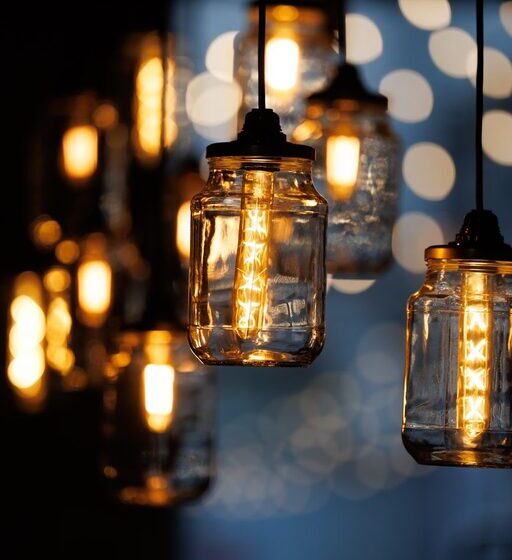

Creating a comfortable and welcoming atmosphere in your home starts with good lighting. The right lighting not only brightens your space but also influences mood, productivity, and relaxation. Choosing the best lighting for your home can feel overwhelming with so many options available. This guide offers helpful tips to select comfortable home lighting that suits your needs and style.
Why Comfortable Lighting Matters
Lighting affects how we feel and function in a space. Harsh, bright lights can cause eye strain and discomfort, while dim or poorly placed lighting may make a room feel gloomy. Comfortable lighting balances brightness, color, and placement to enhance your living environment.
Here are some benefits of comfortable home lighting:
– Improves mood and relaxation
– Supports daily activities like reading, cooking, and working
– Highlights interior design and architectural features
– Saves energy and lowers utility bills when using efficient fixtures
Understand Different Types of Lighting
Before selecting fixtures, familiarize yourself with the three main types of lighting, often used together to create a layered and comfortable effect.
Ambient Lighting
This is the general lighting that illuminates the entire room evenly. It provides a comfortable level of brightness without glare. Common sources include ceiling fixtures, chandeliers, and recessed lights.
Task Lighting
Task lighting focuses on specific activities such as reading, cooking, or working at a desk. It’s brighter and more concentrated to reduce eye strain. Examples include desk lamps, under-cabinet kitchen lights, and vanity lights.
Accent Lighting
Accent lighting adds depth and highlights features like artwork, plants, or architectural details. It’s softer and more decorative, often using wall sconces or spotlights.
Tips for Choosing Comfortable Lighting
1. Consider the Room’s Purpose
Think about how each room is used to determine the right type and amount of light. For example:
– Living rooms: Use warm ambient lighting with task lights for reading corners.
– Kitchens: Bright, cool task lighting for food prep, combined with ambient light.
– Bedrooms: Soft, warm ambient lighting that encourages relaxation. Use dimmable options to adjust brightness.
– Bathrooms: Bright task lighting near mirrors for grooming.
2. Choose the Right Color Temperature
Color temperature is measured in Kelvin and affects how warm or cool the light appears.
– Warm white (2700K-3000K): Creates a cozy, relaxing atmosphere; ideal for bedrooms and living rooms.
– Cool white (3500K-4100K): Offers a neutral and clean look; good for kitchens and bathrooms.
– Daylight (5000K-6500K): Mimics natural sunlight and is best for workspaces or reading areas.
Most people find warm to neutral temperatures the most comfortable for home use.
3. Use Dimmers for Flexibility
Installing dimmer switches lets you adjust light levels to suit different times of day and activities. Dimmers increase comfort and can save energy by reducing brightness when full light isn’t needed.
4. Mind the Light Bulb Type
Light bulbs come in various technologies, each with pros and cons:
– LED bulbs: Energy-efficient, long-lasting, and available in many color temperatures. They produce less heat and work well with dimmers.
– Incandescent bulbs: Provide warm light but use more energy and have shorter lifespans.
– Compact Fluorescent Lamps (CFLs): More efficient than incandescent but slower to reach full brightness and contain small amounts of mercury.
LED bulbs are generally the best choice for comfortable, energy-efficient home lighting.
5. Avoid Glare and Shadows
Glare can cause discomfort and eye strain, while harsh shadows can make a room feel uneven or cramped.
– Use lampshades and diffusers to soften light.
– Position lights to avoid reflections on screens and mirrors.
– Layer lighting from different sources to create a balanced glow.
– Choose fixtures with adjustable angles to aim light precisely.
6. Pay Attention to Fixture Style and Placement
Lighting fixtures contribute to your home’s decor. Select styles that blend with your interior design and consider their placement carefully.
– Ceiling fixtures should be centered and sized appropriately for the room.
– Table and floor lamps add warmth and can be moved as needed.
– Wall sconces provide decorative illumination and save floor space.
7. Consider Smart Lighting Solutions
Smart bulbs and lighting systems offer convenience and customization. You can control brightness, color, and schedules from an app or voice commands. These systems help create comfortable lighting scenes effortlessly.
Final Thoughts
Choosing comfortable home lighting involves a thoughtful balance of brightness, color, and functionality. By considering each room’s needs, selecting suitable bulbs and fixtures, and layering different light types, you can create a space that feels inviting, stylish, and easy on the eyes. Remember to experiment and enjoy the process of lighting your home perfectly for comfort and beauty.